The Work You Do Before It Has a Name
Every Thursday, Ada takes a train across town to eat soup with her aunt. Her aunt still makes it herself and complains that tomatoes no longer taste like tomatoes.
Read the essay
What if the life you are trying to build asks for more than a better plan? It may ask you to notice a promise you keep making to everyone else, an idea you dismiss too quickly, or a small act of courage you have mistaken for an ordinary Tuesday.
Created and edited for Krull Magazine by Camilla Wellton, fashion designer, author and creator of the I AWAKE universe, The Human Work explores the questions we carry into relationships, studios, workrooms and homes. Its three collections offer different places to begin: Possibility, for what you can imagine; Permission, for what you can claim; and Capacity, for what you can live with and sustain.
What becomes possible when you look beyond the life you have been taught to expect? These essays begin with curiosity, envy, unfinished ideas and questions that do not yet have a respectable answer. You will find stories about trying something before you feel confident, imagining a different way to live, and noticing the choices hidden inside familiar routines. Come here when you want room to explore what could be, before deciding what it should become.
What are you allowed to want, refuse, keep private or change? These essays explore the moments when belonging, loyalty and expectation meet a choice that is yours to make. You will find stories about boundaries, consent, creative privacy, speaking in your own voice and changing your mind with care for the people affected. Come here when you need to distinguish a responsibility you choose from a rule you have inherited.
What helps you carry a choice into everyday life and keep caring for it? These essays look at attention, practice, rest, repair and the often invisible work of sustaining relationships and shared projects. You will find stories about asking for help, learning at your own pace, recovering after difficulty and knowing when an effort needs a different form. Come here for the human skills that make a possibility livable over time.
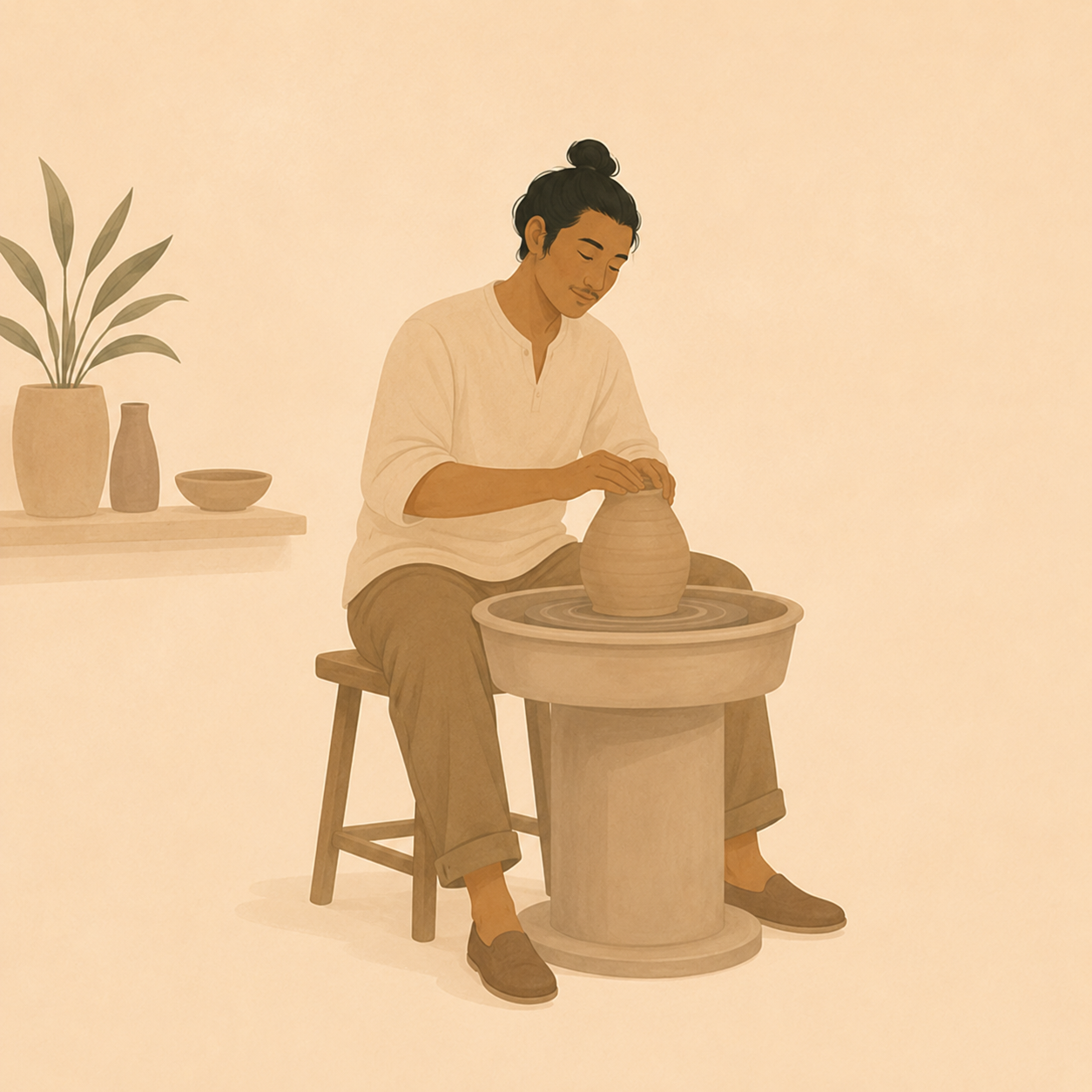
Every Thursday, Ada takes a train across town to eat soup with her aunt. Her aunt still makes it herself and complains that tomatoes no longer taste like tomatoes.
Your friend sends a photograph from the sea. Her bare feet are on a warm stone, and behind them is a blue so extravagant it looks invented.
Everyone around the table has agreed that your grandmother should move. The old flat has stairs, the rent keeps rising, and your cousin has found a bright apartment with a lift.
At the doorway, a child says she does not want a hug. The adults mean well.
At a wedding, someone asks what you do. “Designer,” you say.
Your aunt leaves the exhibition twenty minutes after arriving. She had been looking forward to it.
You can hear yourself editing a word before you’ve finished saying it. The person across the table has asked about your family.
Your friend has the first three pages. You meant to give her the pages and make tea.
You have been invited to a gathering where you know almost nobody. You stand in the hall with your coat still on, rehearsing the version of yourself who enters easily.
Imagine a dinner with friends. Someone says they wish they lived in a house where nobody ate alone.